Safeguard Your Home: Essential Pest Control Strategies for Homeowners
Proper pest management is crucial for homeowners looking to preserve a safe and healthy home environment. These unwanted invaders can lead to serious health concerns and considerable property damage. Recognizing the value of preventative measures is absolutely necessary. This encompasses understanding prevalent pest types and the hazards they bring. Despite this, numerous homeowners find themselves unclear on the best place to start. The information below will detail key strategies to protect your home from these pests and examine lasting solutions for ongoing prevention.
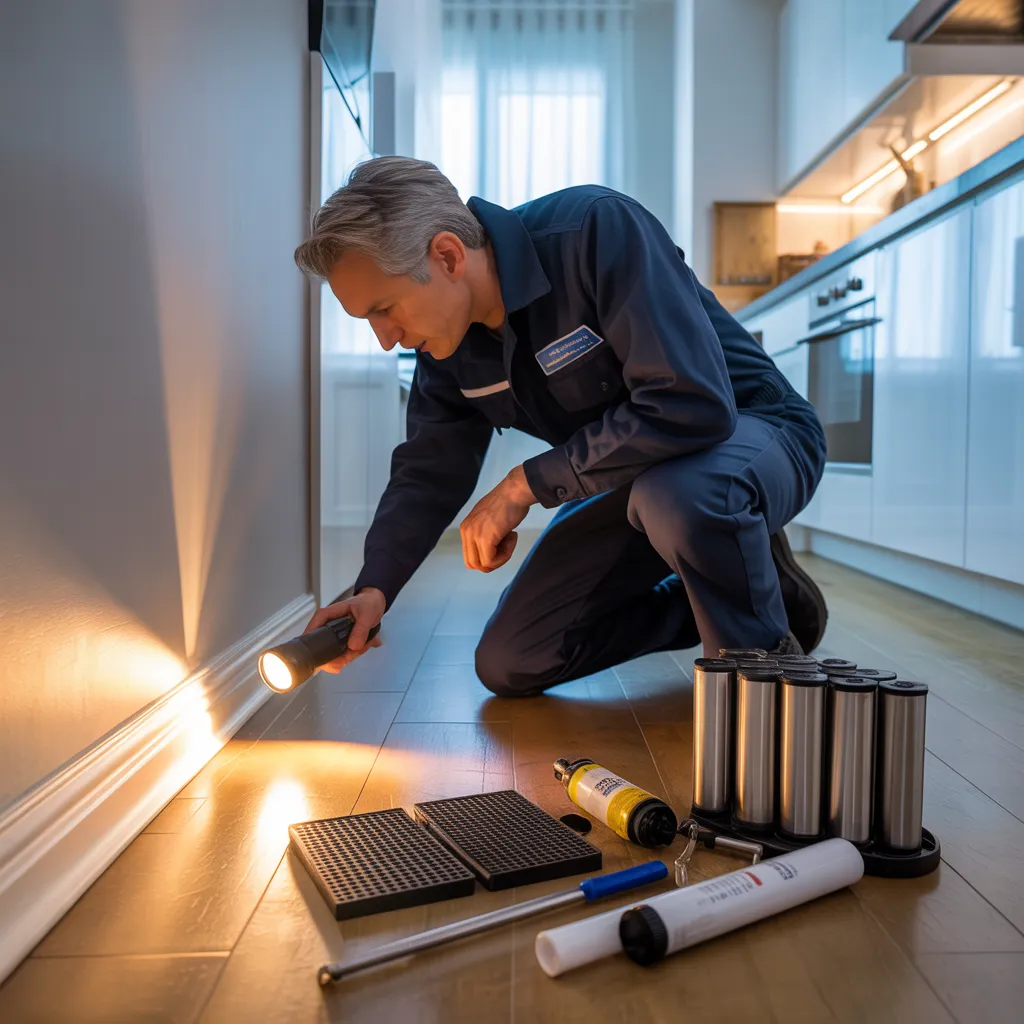
The Critical Role of Pest Control in Your Home
Efficient pest control is crucial for preserving a clean and healthy household. Pests such as rodents, insects, and termites can present serious risks not only to the structural integrity of buildings but also to the overall welfare of those living in the home. These unwanted visitors can taint food supplies, transmit illnesses, and trigger allergic reactions. Furthermore, the destruction to property brought about by pests, most notably termites can lead to costly repairs and decreased property value.
Homeowners often overlook the importance of regular pest management, assuming that sporadic sightings can be handled easily. Nevertheless, timely identification and regular preventive actions can mitigate potential infestations. An active pest control strategy provides a more secure household and supports general well-being.
Furthermore, pest control contributes to mental relief, letting families dedicate their attention to daily activities free from the burden of unwanted pest disturbances. In the end, dedicating resources to pest control is vital for ensuring a peaceful and stable home setting.
Key Steps to Prevent Pest Infestations
While pests can invade any home, implementing essential preventive measures greatly reduces the chance of unwanted invasions. Homeowners should start by filling cracks and gaps in doors, walls, and windows, which act as access points for uninvited pests. Consistently examining and mending screens can additionally discourage pests from coming inside.
Maintaining a clean environment is vital; food should be stored in airtight containers and spills promptly cleaned. Furthermore, homeowners ought to tend to their outdoor areas by cutting back vegetation and maintaining clear gutters to remove possible Spokane Valley Water Purification Systems nesting locations.
Proper waste disposal, utilizing secure lids on trash bins, additionally reduces attractants. It is similarly wise to keep firewood far from the property, as it may attract and shelter pests. Finally, regular inspections by pest control professionals help uncover problem areas and deliver targeted treatments, guaranteeing a preventative strategy against pest infestations.
Frequent Household Pests and Associated Hazards
Common household pests, like rodents, termites, and cockroaches, present serious health hazards and can cause extensive property damage. These invaders not only carry diseases but also threaten the structural stability of homes. Homeowners need to recognize the potential dangers associated with these unwanted pests to successfully control their impact.
Common Types Of Pests
Identifying the various types of common pests is crucial for homeowners looking to sustain a healthy and secure living environment. Among the most prevalent pests are ants, which can infiltrate kitchens in pursuit of food, and cockroaches, known for their ability to reproduce quickly and survive harsh conditions. Termites pose a significant threat to wooden structures, frequently remaining undetected until extensive damage occurs. Rodents, such as mice and rats, not only spoil food supplies but can also damage electrical wiring, leading to potential fire dangers. Furthermore, spiders, while typically non-threatening, can be alarming and some species possess toxic venom. To conclude, bed bugs have become notorious for infesting sleeping areas, causing unease and distress. Identifying these pests is the primary action in successful pest control.
Health Risks Posed
Domestic pests represent considerable health dangers, commonly resulting in a range of diseases and allergens. For example, rodents are capable of spreading hantavirus and leptospirosis via their droppings and urine, posing serious threats, especially to children and the elderly. Cockroaches are well known for causing asthma attacks and allergic responses through their droppings and shed body parts. In addition, mosquitoes act as transmitters of diseases including West Nile virus and Zika, rendering their presence a serious public health threat. Ants present their own challenges, given that specific species can taint food sources and bring in dangerous bacteria. While termites are most commonly associated with property destruction, inhaling their droppings can aggravate respiratory problems. Recognizing these health hazards is vital for homeowners who seek to preserve a safe and healthy home environment.
Property Damage Issues
Pests present not only serious health hazards but also endanger the structural soundness of residential properties. Frequently encountered household pests, including termites, rodents, and carpenter ants, are capable of inflicting widespread damage when left unaddressed. For instance, termites feed on wood and can weaken load-bearing beams, resulting in expensive repair work. Mice and rats are known to chew through electrical wiring, posing serious fire risks while also deteriorating walls and insulation. Wood-boring carpenter ants tunnel through timber to build their nests, progressively weakening structural components. Moreover, moisture-dependent pests including cockroaches can accelerate mold proliferation, compounding structural deterioration. Homeowners must recognize the risks associated with these pests and implement effective control strategies to safeguard their properties from potential damage, ensuring a safe and secure living environment.
Useful DIY Strategies and When to Get Expert Assistance?
Homeowners can manage numerous pest problems with effective DIY techniques that rely on easily obtainable supplies and techniques. Straightforward approaches such as sealing cracks, using essential oils, or employing traps can significantly decrease pest activity. For instance, a combination of vinegar and water can repel ants, and diatomaceous earth can be applied in areas where insects are prevalent.
Even so, there are instances when DIY solutions may prove insufficient. If infestations escalate or if pests such as termites or rodents endanger the structural soundness of your property, seeking professional help becomes vital. Additionally, some pests may require specialized treatments that are not suitable for the average household to manage on their own. Understanding the boundaries of DIY pest control is important; early action can help save significant time and effort. In the end, a thoughtful combination, integrating DIY efforts with professional expertise when the situation calls for it, will deliver a truly pest-free living environment.
Green Pest Control Approaches
For individuals looking for eco-friendly options, eco-friendly pest control strategies serve as powerful substitutes for standard chemical treatments. Households can take advantage of natural remedies such as essential oils, vinegar, and diatomaceous earth to repel pests while avoiding toxic substances. Such natural solutions can interfere with pest behavior and create environments unfavorable for infestation.
Additionally, utilizing helpful bugs, such as ladybugs and green lacewings, can naturally reduce damaging insect populations in a natural way. Planting pest-repelling flora, such as marigolds or lavender, additionally strengthens the garden's natural protection and simultaneously fostering natural diversity.
Consistent preventive habits, encompassing sealing entry points and maintaining tidy living areas, can significantly minimize pest attraction. By adopting these eco-friendly strategies, residents can safeguard their properties while also supporting a cleaner ecosystem. This approach fosters a balanced ecosystem, ensuring that pest management does not come at the expense of the planet.
Ways to Keep Your Home Free of Pests All Year Long
To maintain a pest-free home throughout the year, homeowners should implement seasonal prevention strategies tailored to specific pests. Routine preventive measures, such as sealing entry points and keeping living areas clean, are vital in discouraging unwanted pest activity. When these strategies are used together, individuals can create an effective barrier against unwanted visitors.
Seasonal Pest Prevention Tips
Although pests can enter homes at any point, shifts in seasons frequently stimulate their behavior, which makes it crucial for residents to apply consistent pest control strategies across all seasons. As spring arrives, homeowners ought to concentrate on sealing entry points, because bugs start to reappear after their winter rest. Summer brings an increase in ants and mosquitoes; therefore, regular yard maintenance, including trimming vegetation, is imperative. As autumn sets in, mice and rats look for protected spaces, so it's important to check for gaps around doors and windows. The winter months demand careful attention to warmth-seeking pests; wrapping pipes and placing firewood far from the home are effective ways to discourage infestations. Through adjusting pest control strategies according to seasonal changes, property owners can substantially minimize the risk of infestations across every season.
Routine Maintenance Practices
Consistent maintenance practices are essential for homeowners aiming to keep their living spaces pest-free throughout the year. Periodic checks of the home's exterior help uncover potential access points, like cracks or openings near doors and windows. Sealing these openings reduces the likelihood of pests infiltrating the home. Furthermore, homeowners should copyright cleanliness by quickly cleaning up spills and keeping food in sealed containers. Routine yard maintenance, including trimming shrubs and removing debris, also minimizes pest habitats. Consistently inspecting and clearing gutters stops water from pooling, which can draw in unwanted insects. Ultimately, booking professional pest control assessments enables early discovery of concerns, promoting a preventive approach to managing pests. Together, these methods help create a more secure and pest-resistant living space.
Common Questions and Answers
What Are the Signs of a Pest Infestation in My Home?
To recognize a pest infestation, one should look for signs such as visible insects, droppings, gnaw marks, or nests. Strange sounds or unexplained damage may also suggest the presence of pests within the home.
Are There Specific Pests That Are Seasonal?
That is correct, various pests are influenced by seasonal changes. To illustrate, ants along with termites commonly become active in the spring months, while rodent populations tend to search for warmth in the fall season. Understanding these seasonal trends enables homeowners to plan and apply reliable pest control solutions year-round.
What Are the Warning Signs of a Termite Issue?
Evidence of a termite presence include mud tubes on walls, hollow-sounding wood, discarded wings, and frass that looks like sawdust. Homeowners should investigate these indicators as soon as possible to minimize the risk of major structural damage.
How Regularly Should I Examine My Home for Pest Activity?
Homeowners should inspect their properties for infestations at least every three months. Consistent evaluations make it possible to spot potential infestations early, facilitating timely action. Seasonal changes may also impact pest activity, necessitating heightened awareness during warmer months.
Can Household Pets Invite Unwanted Pests Indoors?
Pets are known to attract pests into a household. Their coat, waste materials, and food scraps offer favorable conditions for bugs and rodents, making routine grooming and sanitation crucial to reducing pest problems linked to owning pets.